Nylon Strings

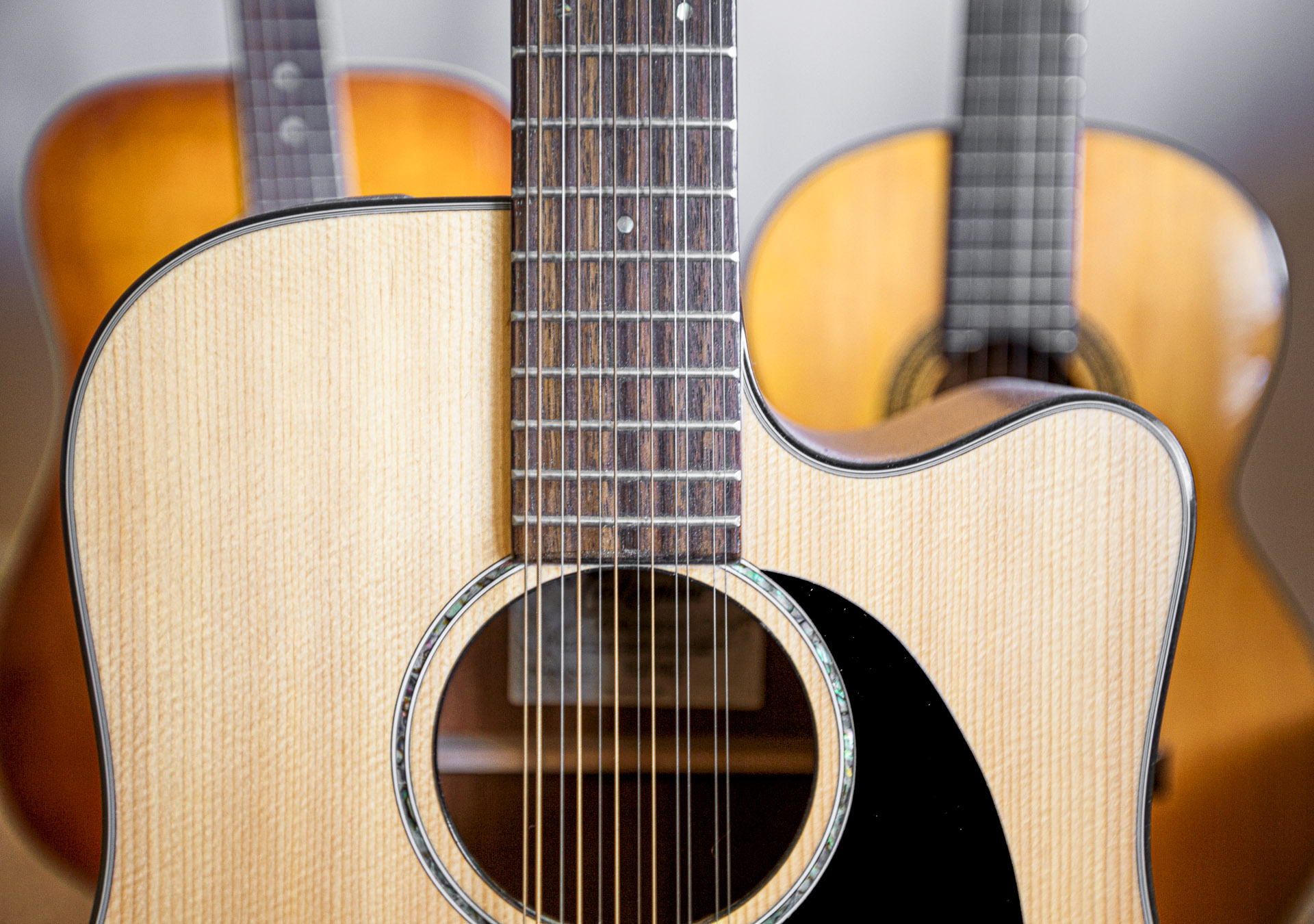
I came across a deal on a Cordoba Fusion 5 nylon string guitar a while back. Since then it’s become one of my favorite guitars-easy to hold, easy to play, and sounds good for it’s price point.

Nylon string guitars are basically the golden retrievers of the guitar world—soft, forgiving, and eager to be your friend, whereas steel strings are more like a cat that’s decided your fingertips personally wronged it in a past life. Press down on nylon and it gently yields like a memory foam mattress; press down on steel and it responds with the enthusiasm of a cheese grater meeting your fingerprints, leaving beginners with tiny trenches carved into their fingertips that look suspiciously like they’ve taken up a career in barbed wire installation. So while steel strings reward you with that bright, chest-thumping projection, nylon strings reward you with the simple luxury of still wanting to play guitar tomorrow instead of nursing your fingertips like they survived a minor kitchen accident.

Down By the Seashore

Welcome to the Salton Sea, California’s premier accidental oasis, where the vibes are vintage, the water is a gorgeous shade of “don’t touch that,” and the local aroma tends to be a delicate blend of salt, agricultural runoff, and broken resort-town dreams. Born out of a classic engineering oopsie in 1905 when the Colorado River decided to take an unscheduled detour, this massive desert lake spent the 1950s masquerading as a glamorous Riviera for Hollywood elite before realizing its true calling as a dystopian, post-apocalyptic film set.

Today, the scenic picnic bench offers the perfect front-row seat to admire mountains that look stunningly majestic, provided you hold your breath long enough to ignore the crunchy shore made entirely of pulverized fish skeletons. It is truly the only place on Earth where you can simultaneously get a beautiful sun tan, experience an ecological crisis, and wonder if that lone seagull flying overhead is actually just trying to find a highway back to civilization.

Navy Bean & Ham Soup

Navy bean and ham soup feels “magical” because a handful of humble ingredients—beans, a ham bone, a few vegetables—transform into something deeply flavorful, comforting, and nostalgic. The magic isn’t mystical; it’s the chemistry of slow cooking, the richness of smoked ham, and the emotional weight of a dish that shows up in family kitchens generation after generation.

If you’ve ever heard this dish called “Senate Bean Soup”, there is a great piece of history behind it. Navy bean and ham soup has been served in the U.S. Senate restaurant (Dirksen Cafe) every single day for over a century. While the exact origin story is debated—some credit Senator Fred Dubois of Idaho in the early 1900s, while others point to Senator Knute Nelson of Minnesota—a Senate resolution allegedly decreed that no day shall pass without it on the menu.

Seeing Eye Dogs

I rarely photograph pets. For me, outsourcing the whole endeavor to a portrait artist is arguably the smarter move, since no amount of squeaky toys or treats held above the lens ever gets a real dog to hold a pose, keep its ears up, and wear glasses without immediately trying to eat them, whereas a pencil and a steady hand can produce a golden retriever grinning like he’s hosting a late-night talk show and a doodle looking primly bookish in a bow, both indefinitely patient and never once smudging the frames with a wet nose.

Chicken Cilantro Wontons

Steaming folds of dough hold stories tight,
A savory moon in every bite.
Wrapped with care by patient hands,
A taste that travels across the lands.
Dumplings warm both heart and home,
Inviting every guest to roam.

Fall in Our Mountains

Autumn flora in the San Bernardino Mountains displays a striking mix of colors and textures as native deciduous trees, including black oaks, bigleaf maples, and California sycamores, turn shades of gold, orange, and russet before shedding their leaves. These vibrant hardwoods contrast with the year-round green of Jeffrey pines, ponderosa pines, incense cedars, and white firs that dominate higher elevations. Lower slopes are filled with chaparral species such as manzanita, mountain mahogany, and California lilac, many of which develop reddish tones that add warmth to the landscape. Native grasses dry to a golden hue, while shrubs and understory plants prepare for winter dormancy, creating a mosaic of evergreen and seasonal vegetation that reflects the region’s diverse elevations, Mediterranean climate, and rich ecological variety.

Preparation is the Key to Success

Few moments in life offer a more jarring reality check than realizing you are stranded on a beach campground toilet with absolutely nothing but a cardboard tube and your own deep regrets.


I marched in bold with nature’s call,
The campground bathroom looked just right for all.
Then horror struck—I gave the roll a stare,
It spun once proudly… then offered only air.
I left with lessons every camper should remember:
Always pack spare paper—especially in September!

Coastal Tracks

This stretch of Union Pacific railroad tracks is part of the historic Surf Line (originally built by Southern Pacific), which bridges the gap between Los Angeles and San Francisco. Because it cuts right through Vandenberg Space Force Base and massive private ranches, the beach at Jalama is one of the only public vantage points where you can watch trains navigate this dramatic coastal edge.

Along cliffs where Pacific waters gleam,
Steel rails follow a coastal dream,
Through misty hills and ocean spray,
Old trains whisper tales along the way,
Past Central California’s shores they roam,
Carrying echoes of journeys home.

Come Fly With Me

The San Bernardino Mountains—specifically the Crestline and Marshall Peak areas—are home to one of the most famous, world-class hang gliding and paragliding zones in the United States. Because of the unique wind patterns coming off the Pacific Ocean mixing with the mountain air, it creates massive, reliable thermals that allow pilots to soar for hours.

This photo was taken at Marshall Peak (Elevation ~4,000 ft) which is the primary and most popular launch site for paragliders. It has a forgiving, gentle slope that accommodates multiple wings launching at once, and, weather permitting, it works beautifully year-round.

Radar Love


This radar dome (radome), of the KEYX radar station based at California’s Edwards AFB in the Mojave Desert near the unincorporated community of Kramer Junction, is part of a nationwide network of 160 high-resolution S-band Doppler weather radars operated by the U.S. National Weather Service. A radome is an electronic antenna enclosure and is typically used to enclose radar systems and satellite communications antennas. The composite radome shown here is a sandwich radome — a rigid, self-supporting shell type structure constructed of doubly-curved panels which form a spherical dome.

Moss Landing

Moss Landing’s role in 1970s marijuana smuggling along the Monterey County coast grew out of its secluded coastal geography, working-harbor culture, and proximity to both Mexican supply routes and overland distribution networks, fostering an adaptable shadow economy that blended local knowledge with long-range smuggling techniques.

Small commercial fishing boats, pleasure craft, and converted trawlers were routinely used as low-profile motherships to rendezvous with larger vessels or pickup points several miles offshore, where contraband would be transferred at night to smaller, faster skiffs that could slip into quiet coves and back channels; captains and crews who knew the tidal schedules, sandbars, and lesser-used landings were prized because they could navigate shallow approaches that deterred law enforcement. Once ashore, loads were concealed in fish holds, bait tanks, or false compartments and sometimes temporarily stashed in locked seafood warehouses, private garages, or rural properties; from there the cargo moved by truck or private car along back roads to processing sites and distribution hubs in inland cities. Smuggling operations relied on a mix of longstanding maritime tradesmen—fishermen, boat mechanics, and dockworkers—and opportunistic outsiders who furnished cash, contacts, or logistics, while some local businesses unwittingly provided cover by masking increased nighttime activity and vehicle traffic. Communication used coded radio calls, prearranged light or flag signals, and meet points that took advantage of the region’s fog banks and long stretches of unpatrolled shoreline; organizers also exploited jurisdictional gaps between county, state, and federal agencies, timing transfers when enforcement resources were thin or attention was focused elsewhere.

Law enforcement responses evolved from local sheriff’s patrols and Coast Guard checks to multiagency investigations and sting operations as authorities traced distribution networks and pursued prosecutions, with raids, seizures, and arrests intermittently disrupting activities but never fully ending them due to high profits, resilient smuggling knowledge, and changing demand. The Moss Landing period of smuggling left a complex legacy: it highlighted vulnerabilities in coastal policing and supply-chain interdiction, influenced later surveillance and enforcement strategies, and became part of regional lore—stories of nighttime rendezvous, hidden caches, and narrow escapes that mingled practical seamanship with criminal improvisation during an era of shifting drug markets and law-enforcement priorities.

Moonshine

This rustic little shack proudly masquerades as an artisanal mountain distillery where the local moonshine is brewed with an uncompromising dedication to flavor and questionable hygiene standards.

Deep in the mountains where the tall pines grow,
A bootlegger traveled where the cold winds blow.
With a rusty old truck and a secret hidden stash,
He dodged the moonlight while counting his cash.
The owls told stories of his midnight run,
A mountain-made legend chasing a little outlaw fun.

This Old House

This Redlands home is a classic example of American Queen Anne Victorian architecture, a popular style from the late 1800s that emphasizes visual interest through asymmetrical massing, steeply pitched gables, varied rooflines, and an expansive wraparound porch. Rather than relying on elaborate ornamentation alone, the design creates character with projecting bays, decorative wood shingle siding in the upper gables, tall narrow double-hung windows, and a mix of horizontal clapboard and textured surfaces that add depth and contrast. The broad front porch, supported by slender columns, softens the home’s imposing height while providing an inviting transition from the street, making it a fine example of the elegant yet livable Victorian homes that once defined many historic American neighborhoods.

Lost Wheel Cover . . . Found

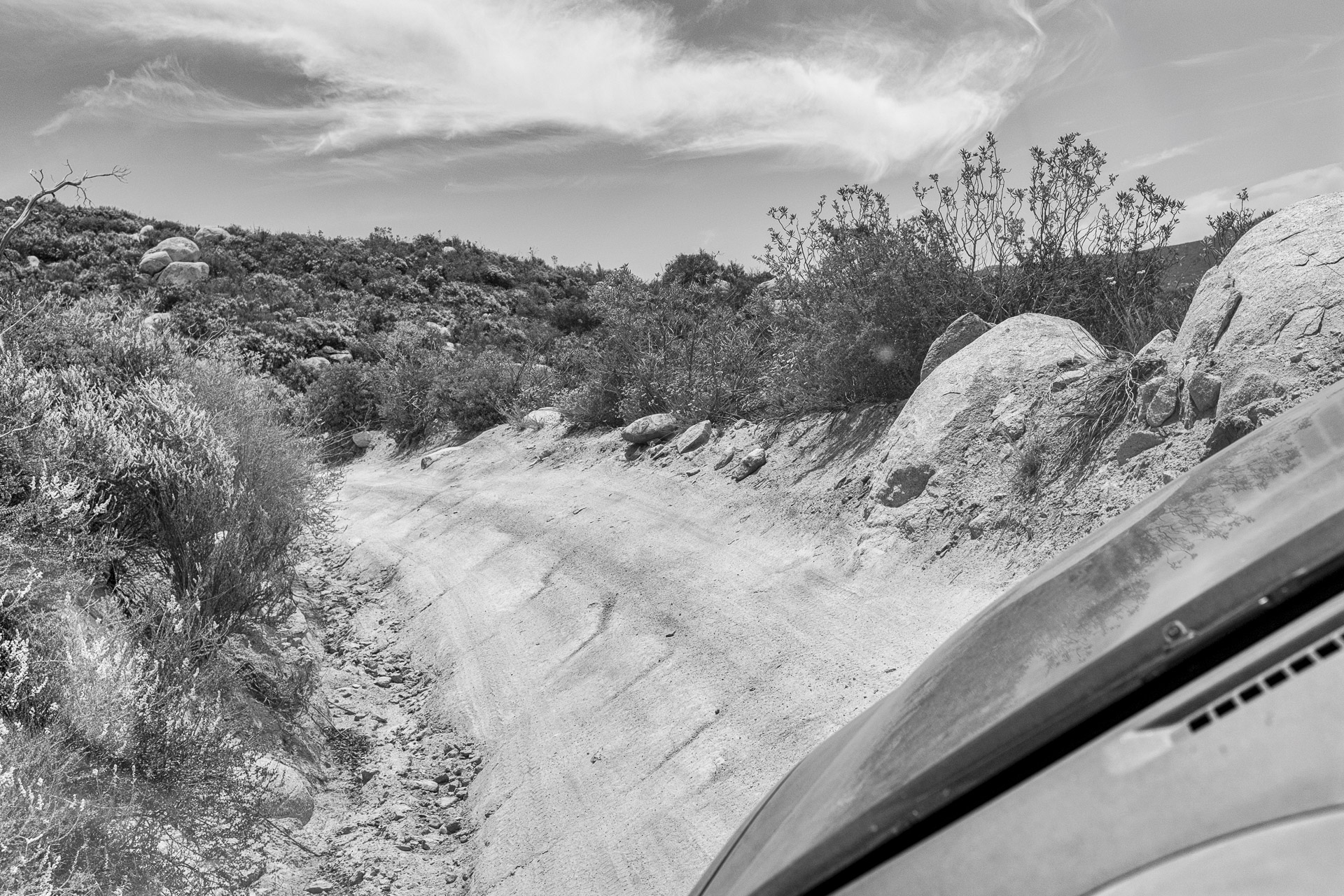
Dirt roads have a mysterious appetite for wheel covers, quietly collecting them like trophies while unsuspecting drivers bounce along, blissfully unaware that one of their hubcaps has just achieved total independence. One particularly enthusiastic pothole, a strategically placed rock, or a washboard section is all it takes for a wheel cover to launch into the sagebrush with the confidence of a NASA mission. It’s one of off-roading’s oldest traditions: the dirt road always gets a souvenir, and it’s usually made of plastic.

AI tells me that this is a 16-inch factory wheel cover from a 2017-2019 Hyundai Elantra, probably with SE trim. What do you think?

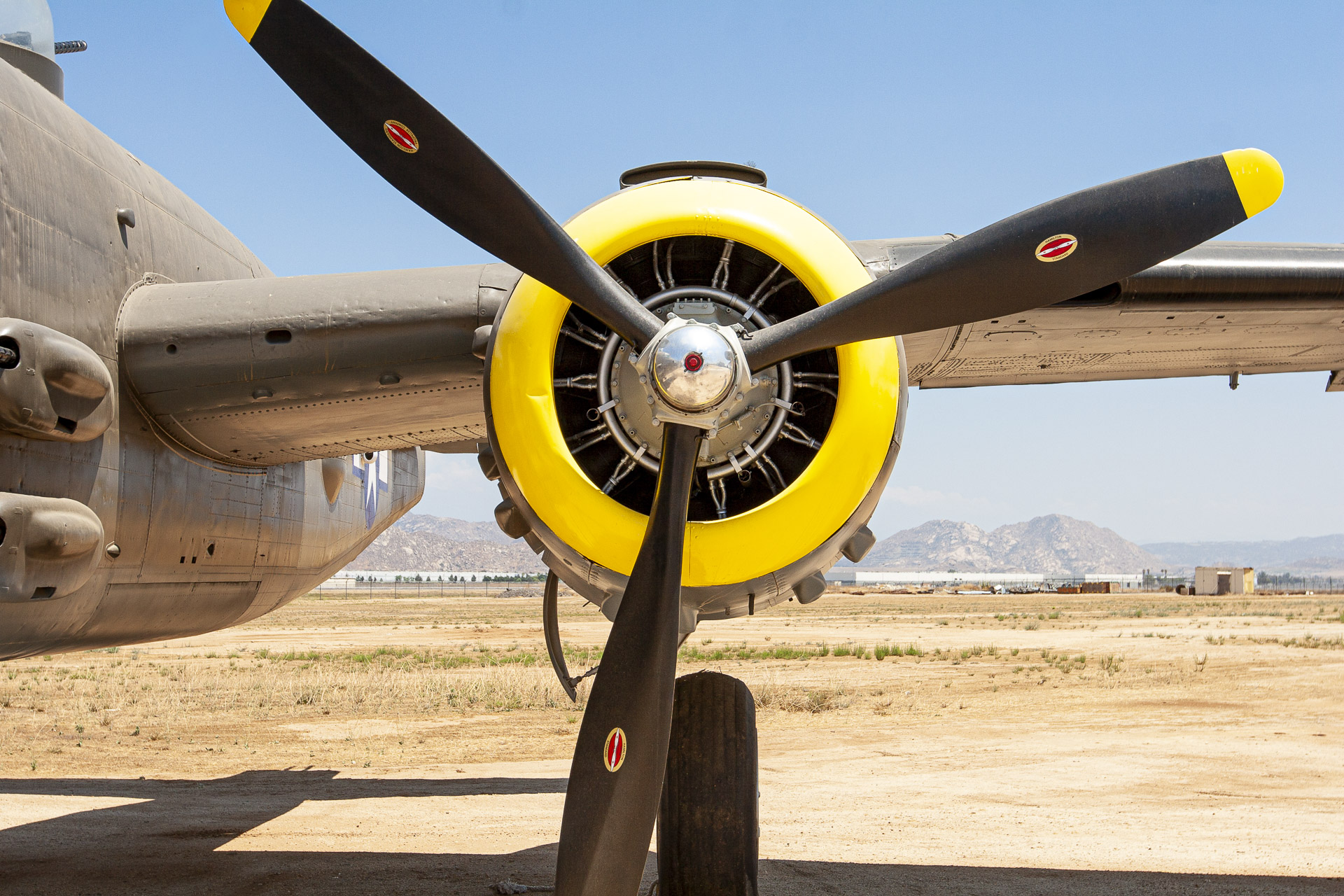
Cool Your Jets

. . . at the March Field Air Museum in Riverside, California.

Gold Medal Flour


The weathered advertisement painted on the brick facade in Guadalupe, California, is a classic example of an early 20th-century “ghost sign” featuring one of American marketing’s most enduring campaigns. The iconic slogan, “Eventually—Gold Medal Flour—Why Not Now?” was first introduced in 1907 by the Washburn-Crosby Company, which later evolved into General Mills. During the 1910s and 1920s, the company employed traveling commercial artists known as “wall dogs” to hand-paint these massive, bold advertisements directly onto the brick walls of prominent local grocery stores, bakeries, and supply warehouses across the United States. In agricultural hubs like Guadalupe, these vibrant signs served as major landmarks on main thoroughfares, though decades of sun exposure and weathering have since faded the paint into a rustic, nostalgic artifact that offers a glimpse into early American consumer culture and the historical footprint of national corporate advertising in small-town communities.