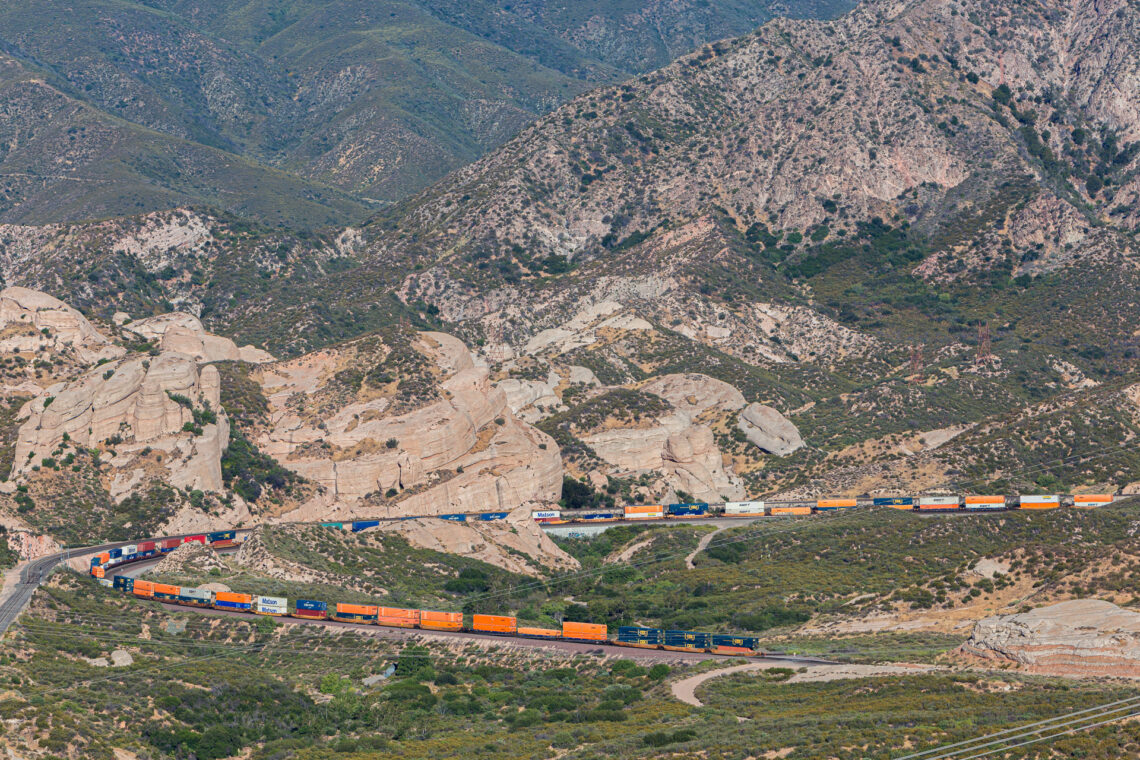
Train watching is essentially the art of standing near a set of tracks and getting way more excited about a passing locomotive than anyone reasonably should. To the uninitiated, it may look like a group of adults eagerly awaiting a several-thousand‑ton metal tube so they can shout things like “GEVO!” or “SD70ACe!”—which, to be clear, are not cheat codes but locomotive models. It’s a bit like birdwatching, except the birds weigh 400,000 pounds, can’t fly, and occasionally honk at you with enough force to rearrange your skeleton. Still, there’s a thrill in spotting a rare engine, a heritage unit, or simply a train that’s longer than your last relationship.
For many fans, the joy is in the details: the rumble of the rails, the smell of diesel, the moment when the ground vibrates just enough to make you question your life choices. And then there’s the ritual—camera ready, scanner on, snacks packed, and a firm commitment to stand in the sun for hours because maybe a cool freight consist will roll by. If you ever want to understand the appeal, just join a railfan for a day. You’ll either discover a surprisingly wholesome hobby or realize you’ve spent three hours waiting for something that moves slower than your local DMV line. Either way, you’ll have a story