
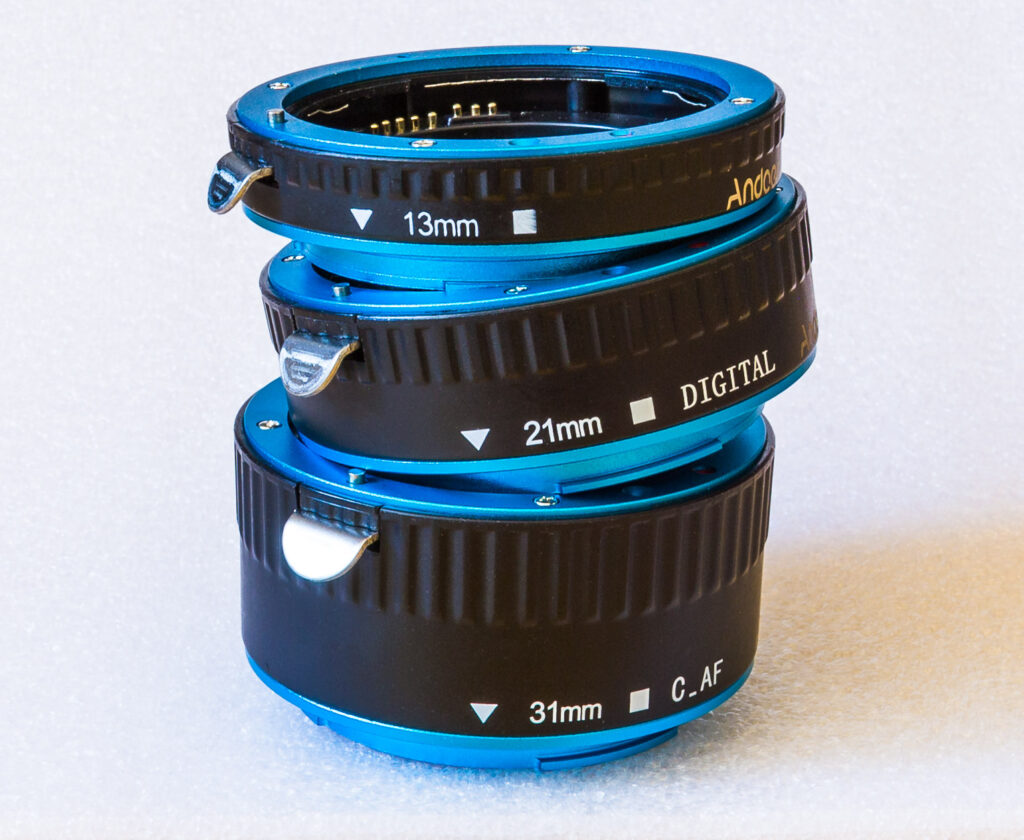
If you ever wake up feeling like a giant terrorizing the local ecosystem, slapping extension tubes onto your camera is the perfect way to document your path of destruction at a microscopic level. It’s essentially a low-budget, slightly awkward hack that forces your lens to focus on things it was never meant to see, turning a standard portrait lens into a suspicious investigator of bug eyeballs and pollen grains.
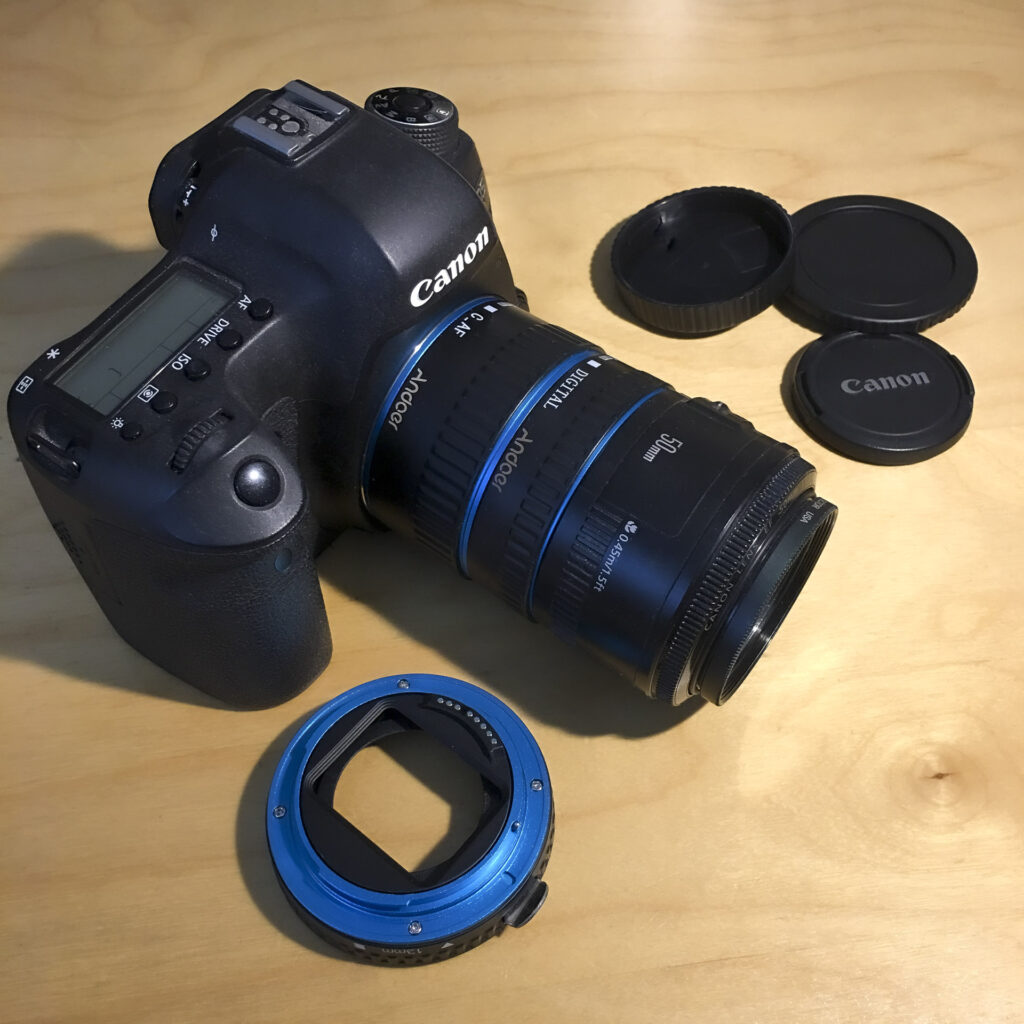
You will inevitably spend forty-five minutes sweating over a single petal, contorted into a pretzel shape on the floor just to get that perfect shot, only to realize that the tiniest tremor of your pinky finger has rendered the entire subject a blurry, unrecognizable smudge. It is a fantastic, infuriating exercise in patience that makes you look like a frantic mad scientist to your neighbors, all while you pray that the sudden loss of light isn’t turning your masterpiece into a noisy, dark abyss of frustration.