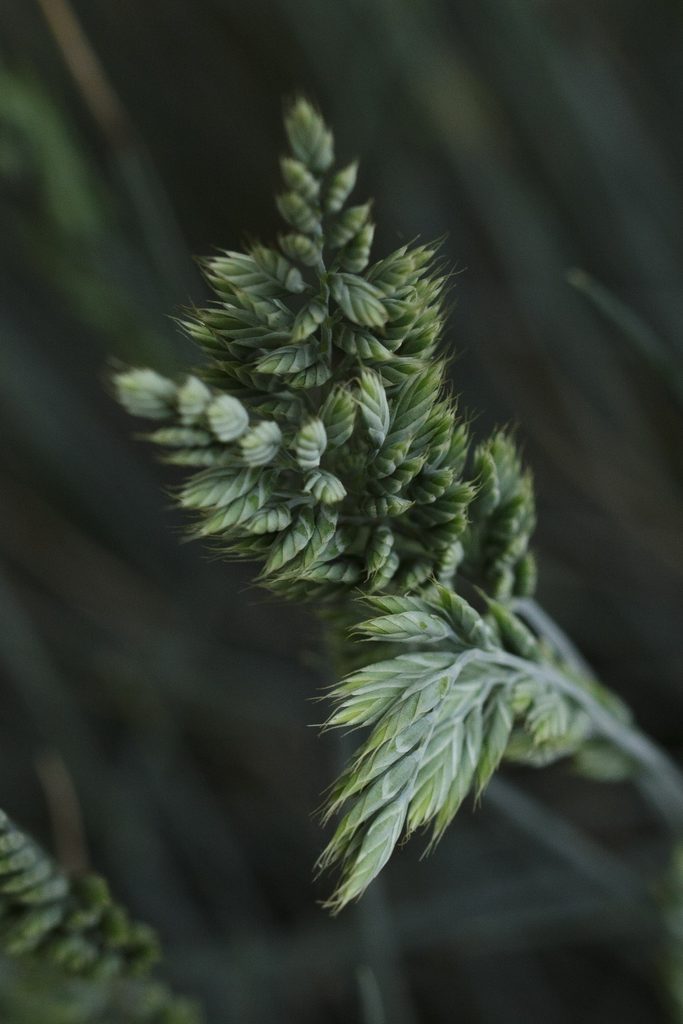
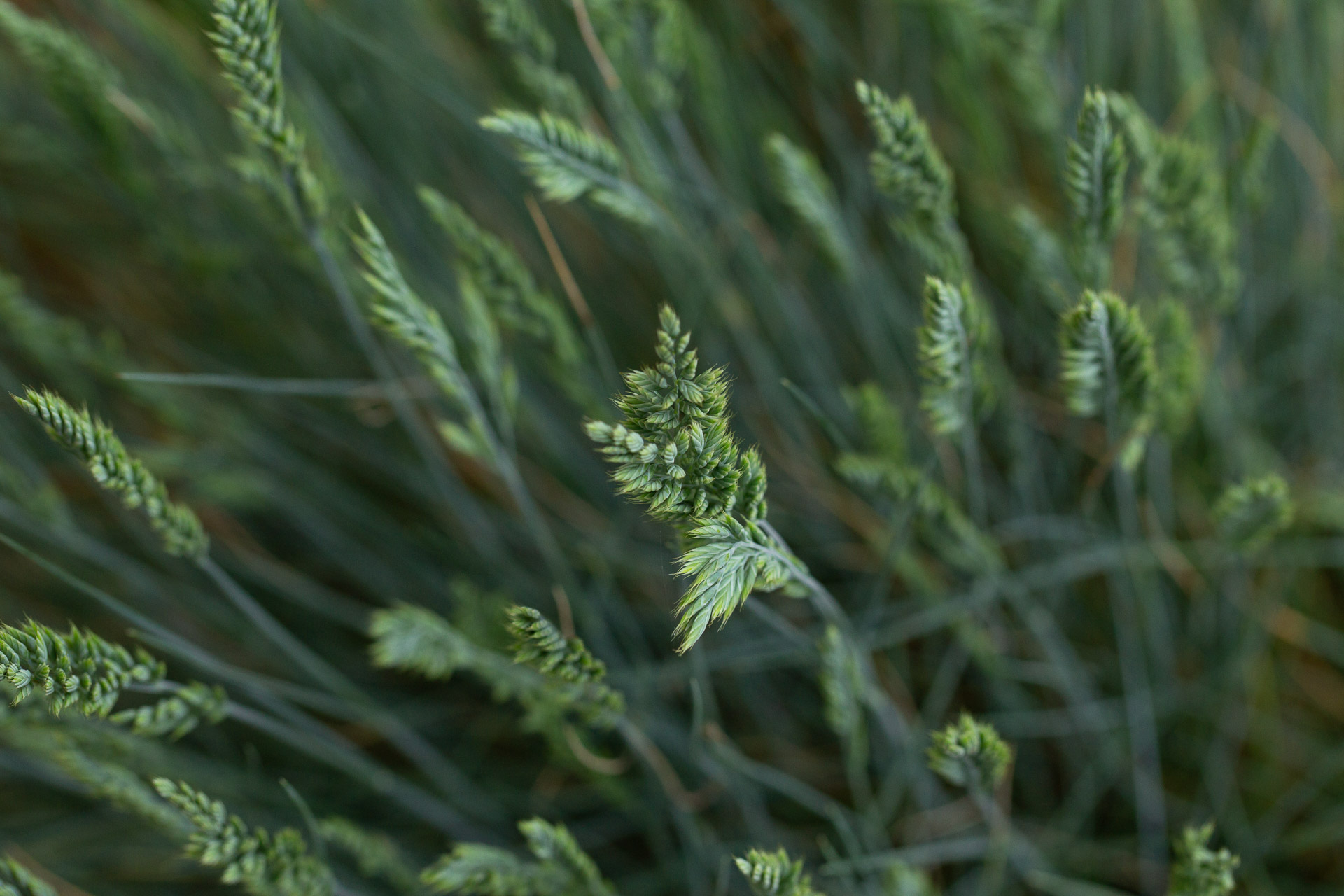
Orchard Grass

Orchard Grass (Dactylis glomerata) is primarily valuable as a forage grass for horses, cattle, sheep, and goats. It makes nutritious hay and pasture, grows vigorously in spring, tolerates some shade, and can recover well after cutting. Its dense root system also helps stabilize soil and reduce erosion. It is particularly useful in mixtures with legumes such as alfalfa or clover. For landscaping, however, it is generally considered a coarse, tall grass rather than a conventional lawn grass.

It is fairly widespread in Southern California, but it is not evenly distributed. It is a non-native, cool-season perennial grass that occurs throughout much of California, generally favoring areas with more reliable moisture. UC IPM describes it as occurring throughout the state up to about 8,200 feet, with the notable exception of the deserts. It is particularly associated with disturbed ground, pastures, roadsides, orchards, woodland edges, and other places where supplemental moisture is available.

In Southern California, that means you’re much more likely to encounter Orchard Grass in the foothills, mountain areas, irrigated landscapes, and relatively moist grasslands than in the hot, genuinely arid portions of the Mojave or Colorado Deserts. Around the inland valleys it can show up after winter rains, especially in disturbed areas, but it generally doesn’t form the enormous, continuous stands that some of our more drought-adapted invasive grasses do. Cal-IPC considers it “Limited” as an invasive plant in California, despite describing it as widespread and capable of invading grasslands and oak woodlands.

Orchard Grass has a surprisingly complicated social life.

The fans: Cattle, sheep, horses, goats, and other grazing animals generally like it. It is a valuable forage grass because it is nutritious, palatable, and produces a substantial amount of leafy growth. Farmers and ranchers have actually planted it deliberately for livestock—so unlike many of the grasses we encounter in Southern California, Orchard Grass has people actively rooting for it.

The haters: Gardeners, conservationists, and people trying to maintain native California grasslands can have a very different opinion. Orchard Grass is non-native and can compete with native vegetation, particularly in moister grasslands, oak woodlands, and disturbed areas. It can become persistent once established, which earns it considerably fewer points with anyone trying to restore a native plant community.

The indifferent: Most backyard birds and wildlife aren’t especially interested in Orchard Grass itself. They may use a grassland where it grows for cover or habitat, but it isn’t exactly the bird-feeder equivalent of a five-star restaurant.

So, in the simplest terms: livestock say “Dinner!”; native-plant enthusiasts say “Could you please leave?”; and most wildlife says “It’s just grass.”