
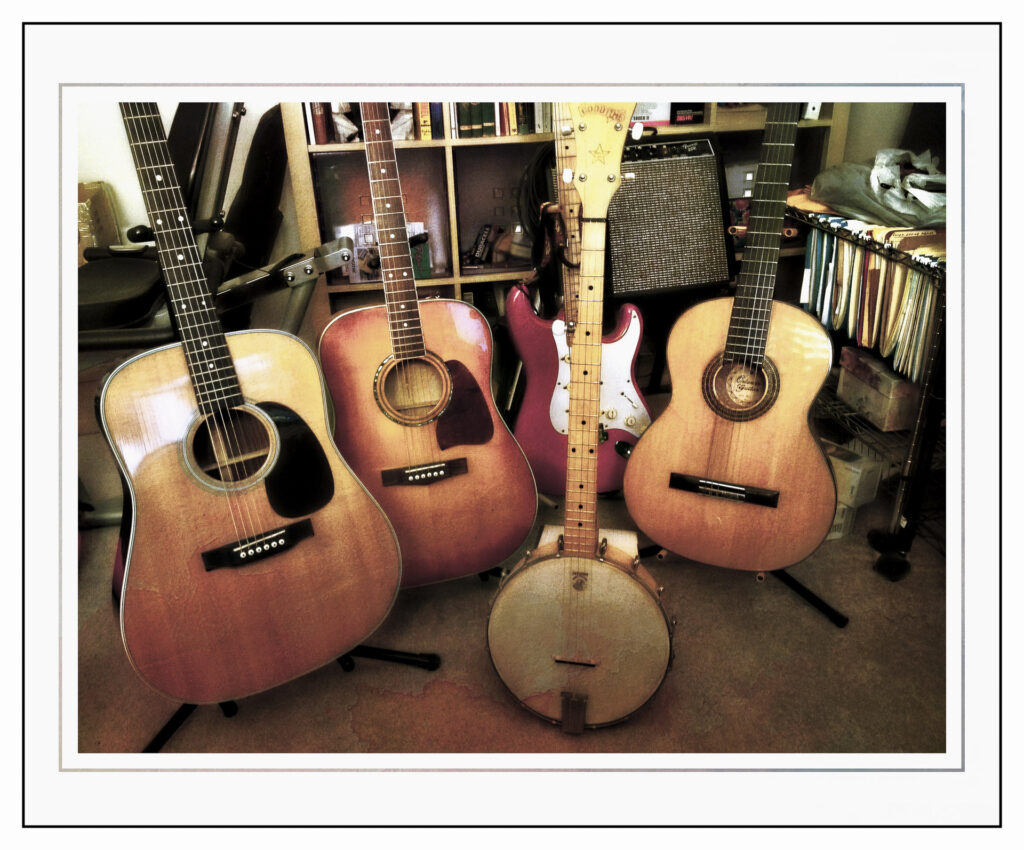
The pleasure of playing a musical instrument begins long before the first clean note rings out. It starts in that quiet moment when you pick it up—when your hands settle into familiar places, when the weight of it reminds you that this is something both ancient and personal. There’s a small spark of anticipation, the kind that feels like opening a door to a room you love. Even before sound exists, the instrument is already speaking to you, inviting you back into a world where time behaves differently. That sense of stepping into a private sanctuary is one of the reasons people return to music again and again.
Once you begin to play, the outside world softens. Thoughts that were tangled start to loosen as your attention narrows to the movement of your fingers, the shape of your breath, the vibration of strings or keys or reeds. It’s a kind of meditation disguised as creativity. You’re not just producing sound—you’re shaping emotion into something you can hear. Even mistakes have their own charm, because they remind you that this is a living process, not a mechanical one. The pleasure comes from the intimacy of it, the way your body and the instrument negotiate each moment together.
There’s also a quiet thrill in the way music reveals progress. One day a passage feels impossible; the next, your hands glide through it as if they always knew how. That shift—subtle, earned, deeply satisfying—creates a sense of momentum that few other hobbies can match. It’s not about perfection. It’s about witnessing yourself grow, note by note, in a way that feels tangible. That’s why so many people describe playing an instrument as a conversation with their past selves, each practice session building on the last.
And then there’s the emotional release. Instruments have a way of absorbing whatever you bring to them. Joy becomes brighter. Sadness becomes bearable. Restlessness finds direction. When you play, you’re giving shape to feelings that don’t always fit neatly into words. It’s a relief, a grounding, a way of returning to yourself. Even a single sustained tone can feel like an exhale you didn’t realize you needed. That’s part of the magic of creative expression—it lets you translate the internal into something you can hold outside yourself.
But perhaps the deepest pleasure comes from the sense of connection. You’re participating in a tradition that stretches across centuries and cultures, joining countless others who have found solace and joy in the same simple act. Whether you’re playing alone in your room or sharing music with others, you’re tapping into something universal. The instrument becomes a bridge—between you and your emotions, between you and other people, between you and the long human story of sound.
___ ___ ___ ___
I play the guitar. I started on the banjo but sold it before I got very far. I’d love to have another one but these old fingers of mine are not as fleet as they once were. Arthritis has slowed them down and it’s carried over to my guitar playing, somewhat. So for me, picking is on the way out and strumming is making its way back in. I can live with that because no matter how it goes, I’ll always enjoy making music.