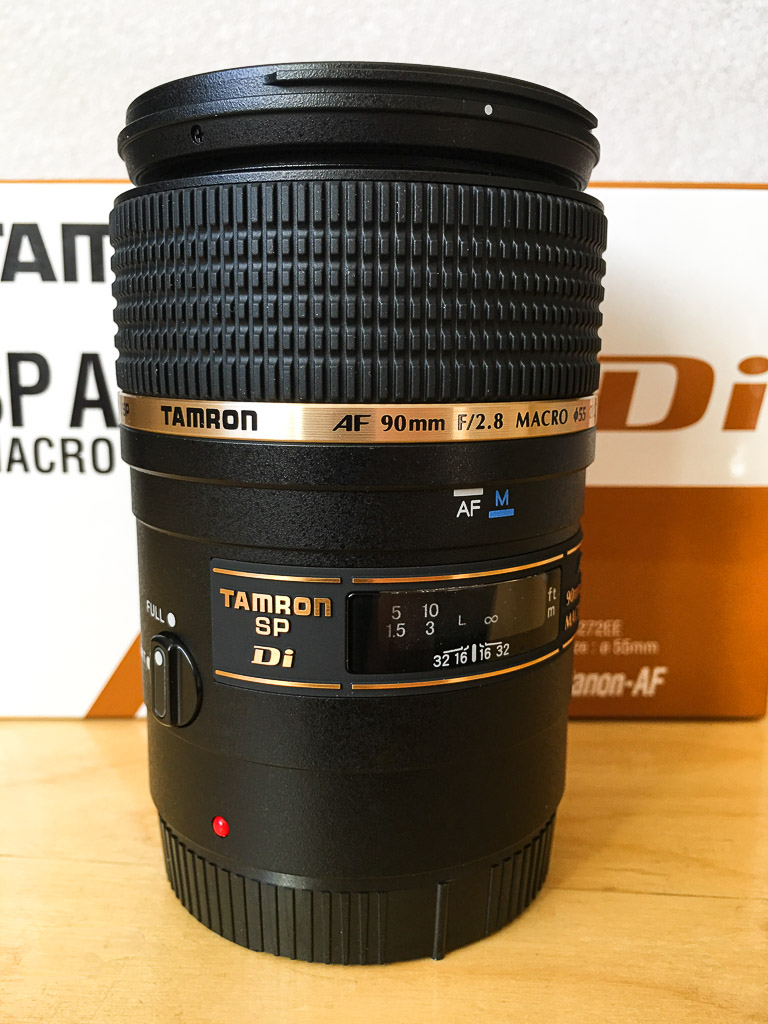
Trying to capture the delicate, gossamer-thin wings of a butterfly using my cheap closeup filters has been a bit like attempting to perform brain surgery while wearing a pair of greasy, thick-bottomed beer goggles taped to my forehead. I might eventually stumble upon a blurry shape that vaguely resembles an insect, but I’ve essentially turned my expensive, high-performance camera lens into a glorified magnifying glass for a kindergarten science project. The Tamron 90mm f/2.8 macro lens, however, treats my subject with the optical dignity it deserves rather than forcing it through the smudged, distorted, and chromatic-aberration-riddled nightmare of a discount filter. By choosing this dedicated macro glass, I stop fighting my own gear and finally start capturing images that don’t look like they were filtered through a bowl of lukewarm soup, saving my sanity and sparing my audience from the inevitable eye strain of trying to decipher what exactly is happening in my mushy, soft-focus snapshots.
The Tamron AF 90mm f/2.8 macro lens represents a significant technical advancement over using closeup filters because it is a dedicated optical instrument engineered specifically to correct for the inherent aberrations, such as chromatic aberration and field curvature, that plague standard lenses when forced into macro work with add-on glass. While closeup filters effectively decrease the minimum focusing distance by magnifying the image, they inevitably degrade overall sharpness, introduce unwanted distortion, and reduce contrast by adding extra glass elements that can cause internal reflections. Conversely, the Tamron 90mm provides a true 1:1 reproduction ratio with a flat-field optical design that ensures uniform sharpness across the entire frame, while its dedicated focus throw and internal focusing mechanism offer superior precision, faster autofocus performance, and better handling of light, ultimately delivering professional-grade image fidelity that simple magnification filters cannot replicate.