
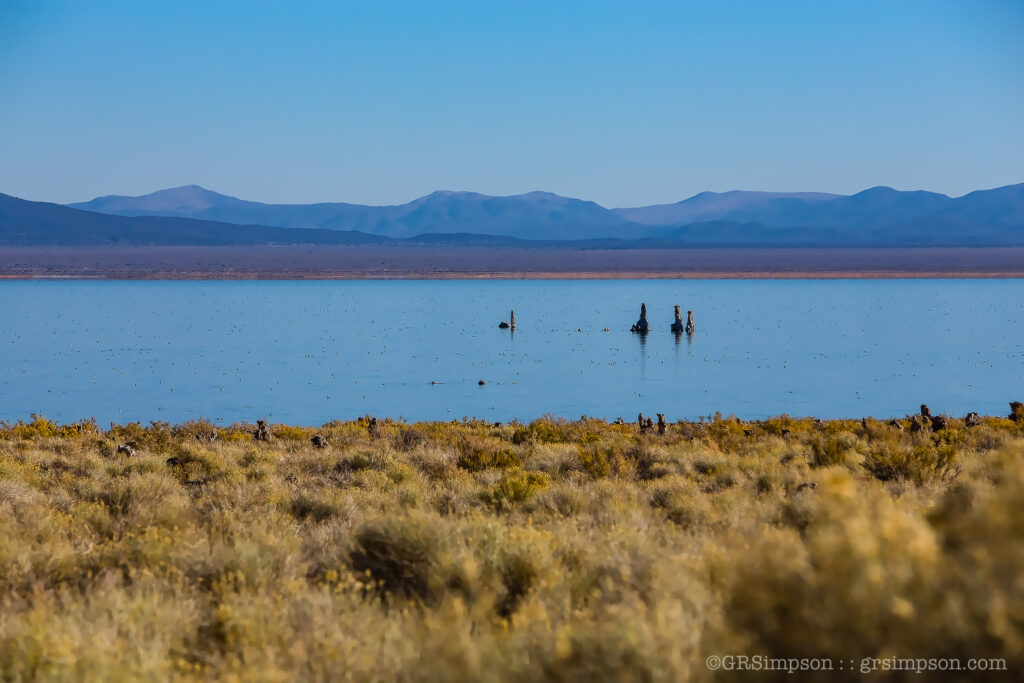
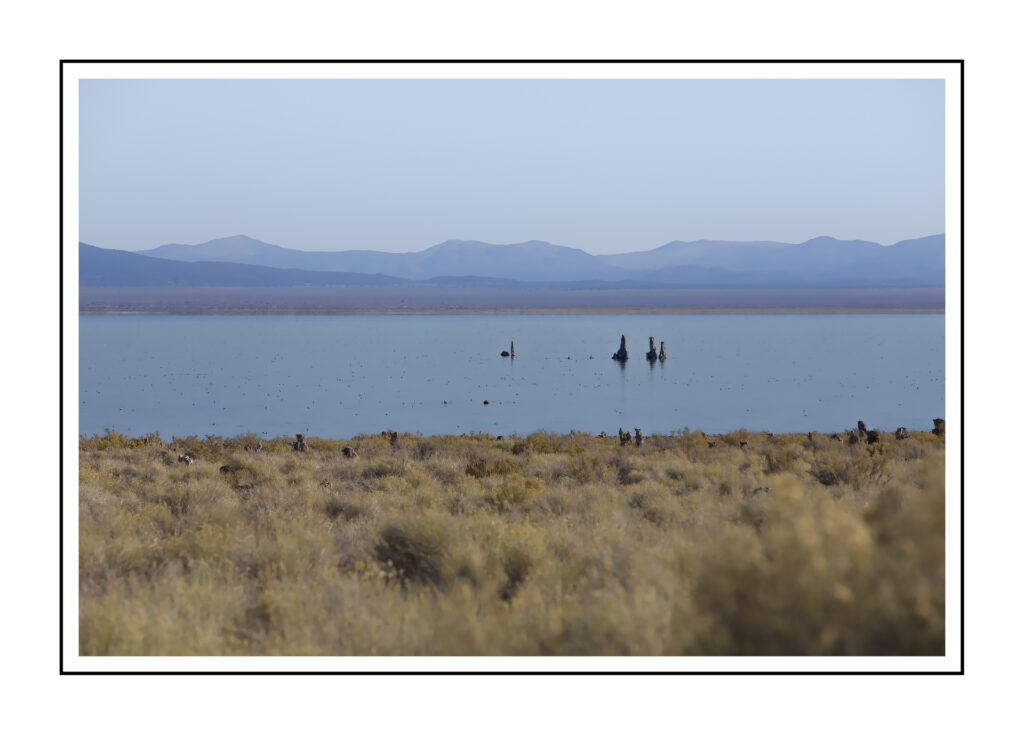
Mono Lake feels like stepping into another world—ancient, quiet, and strangely alive. Its still, alkaline waters and towering tufa formations create a landscape that feels both otherworldly and deeply rooted in time, shaped over hundreds of thousands of years.
The first time you approach Mono Lake, the light hits you before the details do. The Sierra Nevada rise sharply to the west, their snow-capped peaks reflected in the lake’s shimmering blue surface. The air is dry, carrying a faint mineral scent, and the silence feels almost deliberate—as if the lake has been waiting for you to notice it. Mono Lake is one of the oldest lakes in North America, more than a million years old, and that age settles over the landscape like a thin veil.
Walking toward the shoreline, the tufa towers come into focus. These pale, knobby spires look like sculptures left behind by some forgotten civilization. They formed slowly, as freshwater springs bubbled up through the lake’s alkaline water and precipitated calcium carbonate into stone. Up close, the towers are rough and porous, each one a record of the lake’s changing water levels and the geological forces that shaped the Mono Basin.
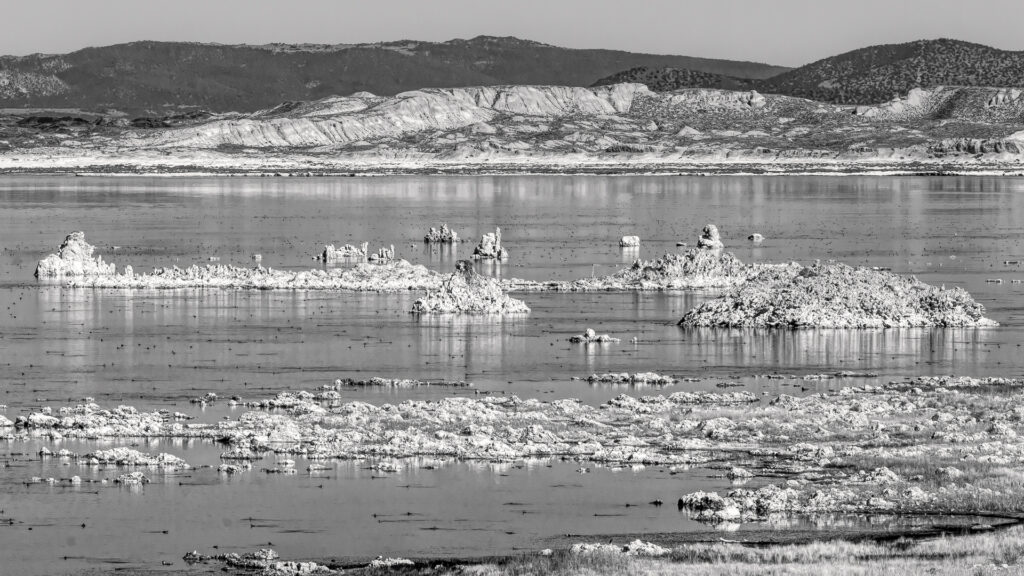
Despite its stark appearance, Mono Lake is teeming with life. The water is too salty for fish, but it’s perfect for brine shrimp—tiny, translucent creatures that thrive here by the trillions. In summer, the lake becomes a feeding ground for millions of migratory birds, from phalaropes spinning on the surface to gulls nesting on the islands. Their calls echo across the water, breaking the stillness in a way that feels both wild and reassuring.
There’s a sense of resilience woven into the story of Mono Lake. Decades ago, when water diversions threatened to shrink the lake dramatically, its ecosystem began to falter. The exposed lakebed created dust storms, and the falling water levels endangered the birds that depended on its islands. But the community rallied. The Mono Lake Committee fought a long legal battle that ultimately forced Los Angeles to restore some of the lake’s inflow, allowing water levels to rise again. Standing at the shore today, it’s easy to feel gratitude for that persistence.
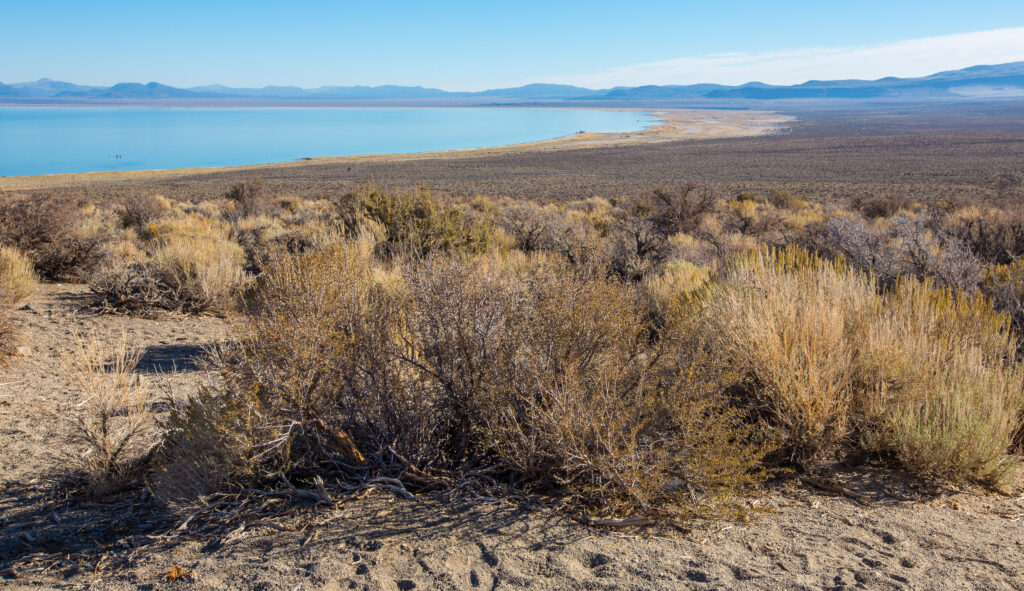
As the sun begins to set, the lake transforms. The tufa towers glow gold, then pink, then a soft lavender as the sky deepens. The water becomes glassy, reflecting the fading light in long, shimmering streaks. It’s a moment that feels suspended—timeless, like the lake itself. You can almost imagine the countless evenings just like this one that have unfolded here over millennia.
Mono Lake isn’t just a place to visit; it’s a place to linger, to breathe, to remember how ancient and interconnected the world can be. It invites you to slow down, to look closely, and to let its quiet strangeness settle into you.