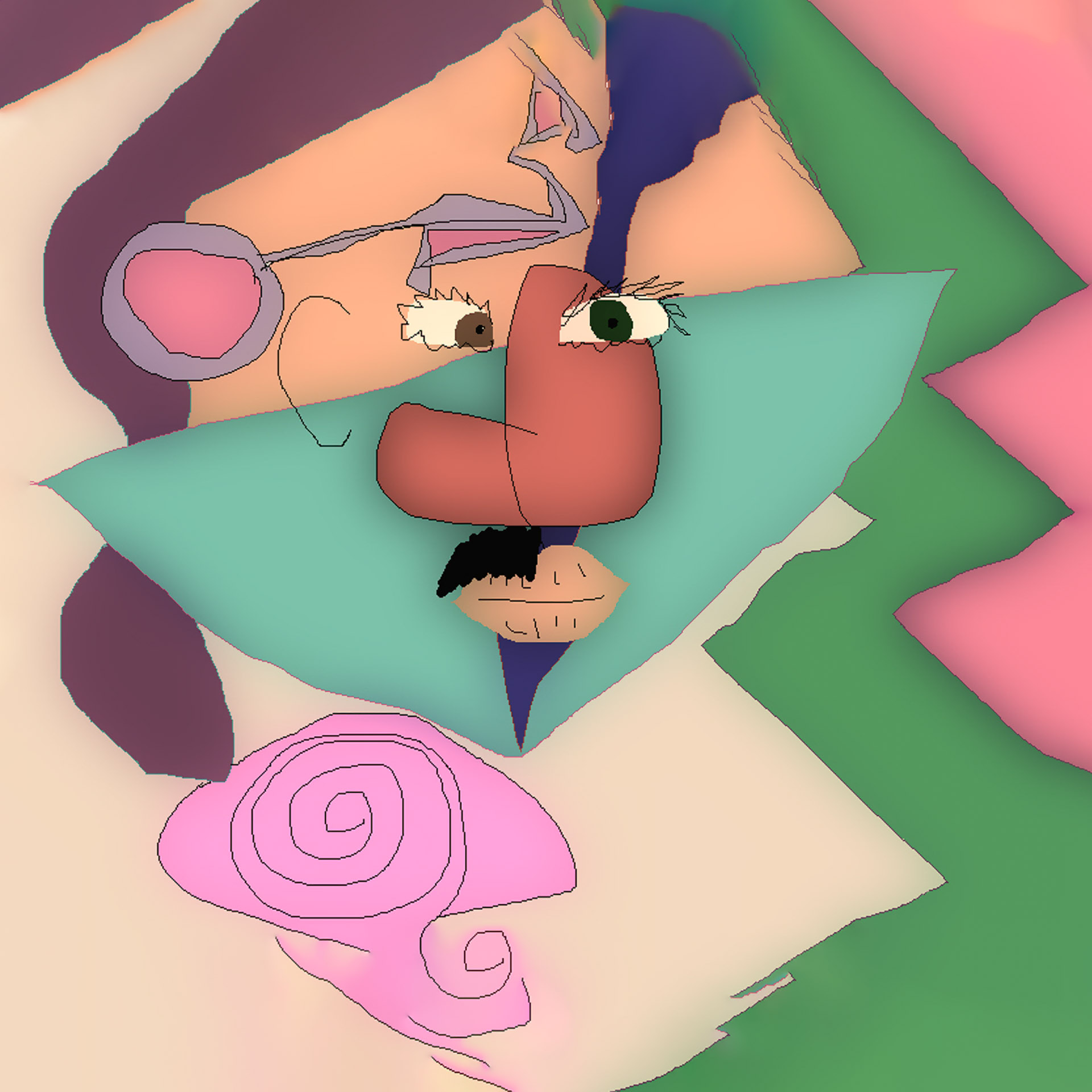
Looking back over the past seven decades of my life, I see that living with social anxiety disorder has not been a single unchanging experience — it has shifted shape as my life unfolded around it. In childhood and adolescence, it showed up as an almost physical dread of being called on in class, of ordering food out loud, of birthday parties and school dances, at an age when everyone around me seemed to move through those moments without a second thought. In young adulthood, the disorder followed me into job interviews, first apartments, dating, and the slow work of building a career, quietly narrowing the field of what felt possible even as ambition and desire pushed outward. Middle age brought its own recalibration — where decades of exposure or simply practice had worn certain edges smooth, while other fears, like public speaking or hosting gatherings, remain as sharp as ever. And now, in later life, the anxiety resurfaces in new forms: fear of medical appointments, of asking for help, of becoming a burden, all layered on top of existing patterns that were already decades in the making.
I’ve accumulated a lifetime of adaptations around my social anxiety — routines, relationships, and self-knowledge that make the disorder more survivable even when it isn’t cured. I have grief for the opportunities, friendships, and risks the anxiety has foreclosed on along the way, but I have pride in everything I’ve built despite it.