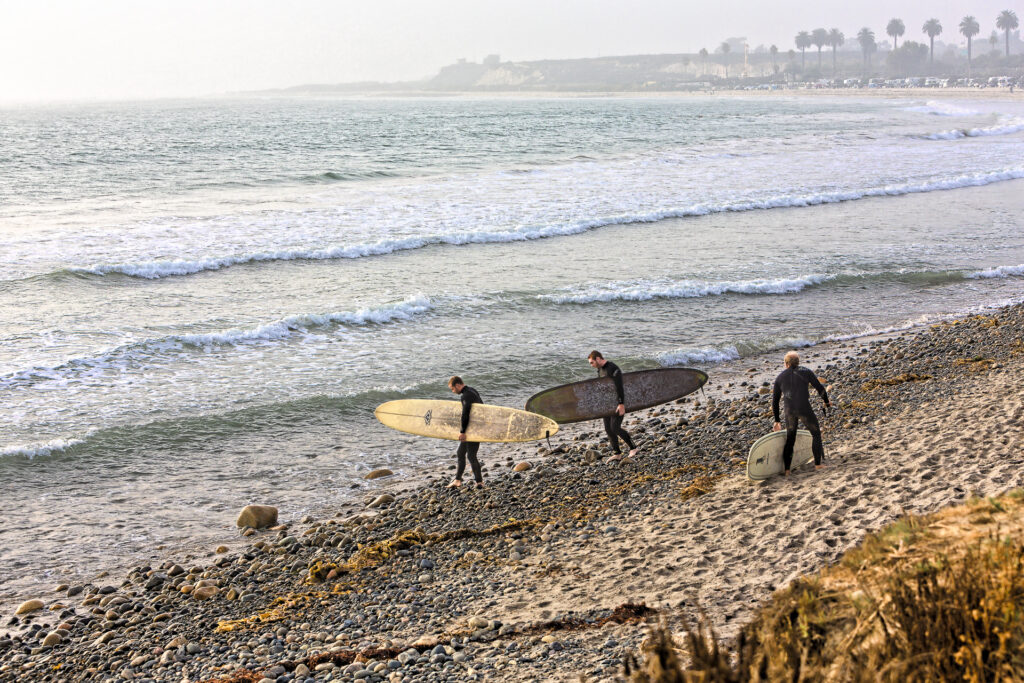
Longboard culture at San Onofre Surf Beach has roots stretching back to the early 20th century, when early California surfers began seeking out mellow, rolling waves that matched the glide and flow of classic wooden boards. By the 1930s and 40s, San O had already become a gathering place for pioneers who shaped the identity of West Coast surfing. Its long, forgiving breaks made it a natural home for the emerging style that emphasized smooth trimming, graceful footwork, and the relaxed rhythm that would later define the golden era of longboarding. The beach’s remote feel and rustic charm helped cement its reputation as a sanctuary for surfers who valued simplicity and community over competition, a spirit still tied to the legacy of places like Old Man’s.
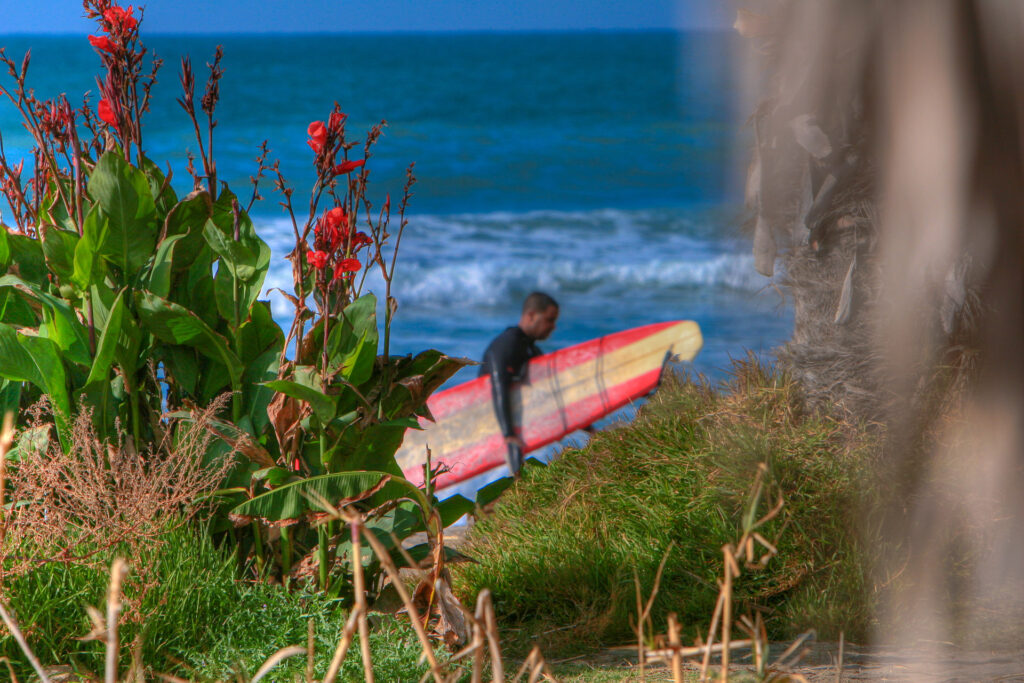
As foam boards replaced heavy redwoods and balsa in the 1950s and 60s, San Onofre remained a stronghold for traditional surfing, even as shortboard performance began to dominate other breaks. Families passed down stories, techniques, and boards, creating a multigenerational culture that kept the longboard tradition alive through shifting trends.
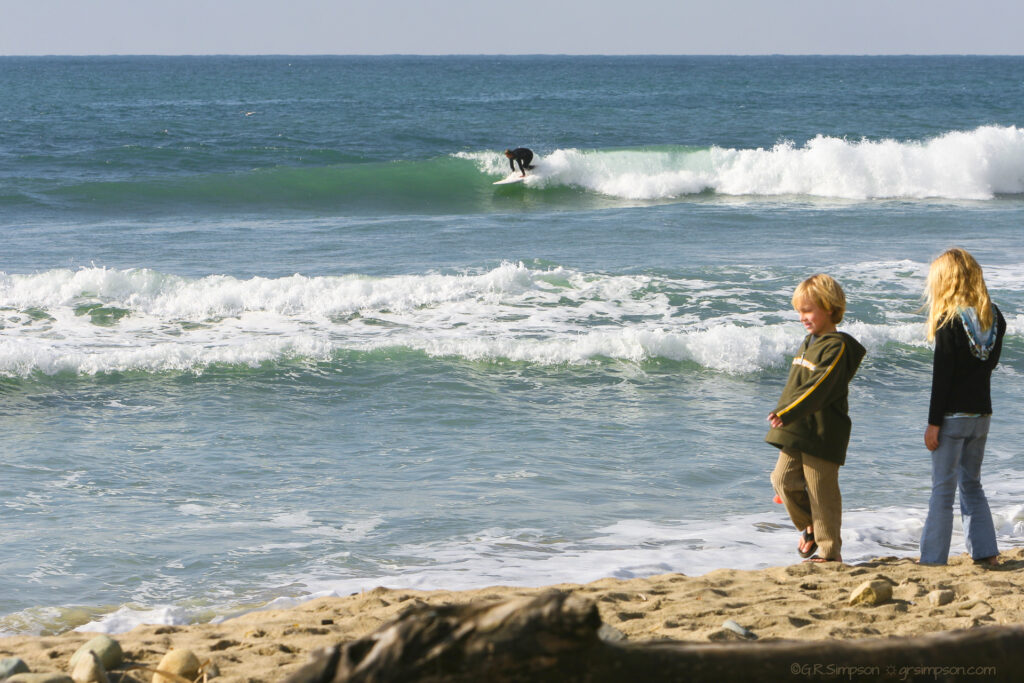
Today, the beach stands as one of the most iconic longboard spots in California, where the past and present blend in a lineup filled with classic logs, friendly conversation, and a pace that honors the roots of the sport