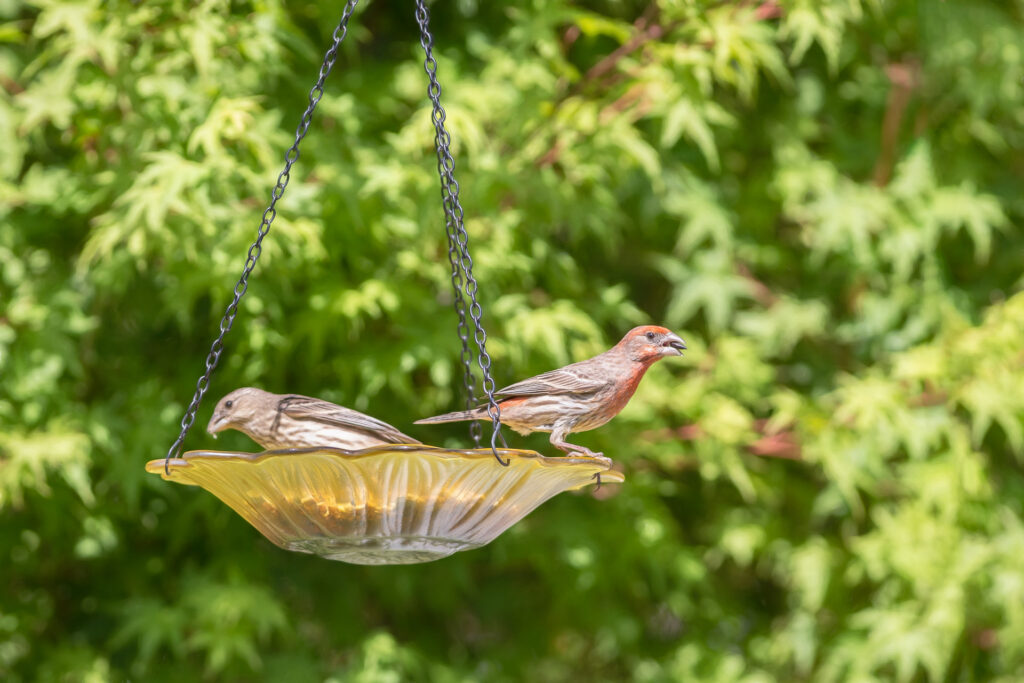
Male and female finches form pairs through a mix of instinct, communication, and selective bonding, creating a partnership that supports both courtship and successful nesting. A male typically begins by displaying bright plumage, singing complex songs, and performing small hopping or flight displays to attract a female, behaviors rooted in species‑specific signals like mate selection and courtship behavior. The female evaluates these displays for signs of health, vitality, and genetic fitness, and once she accepts a partner, the pair establishes a shared territory and begins cooperative activities such as nest building, food sharing, and synchronized vocalizations. This bond can last for a single breeding season or, in some species, extend across multiple years, with the strength of the pair influenced by environmental stability, reproductive success, and social dynamics within the flock. Their partnership is not only reproductive but also behavioral, as coordinated care of eggs and chicks—such as the male guarding or feeding while the female incubates—enhances survival and reinforces the pair’s connection through repeated, mutually beneficial interactions.