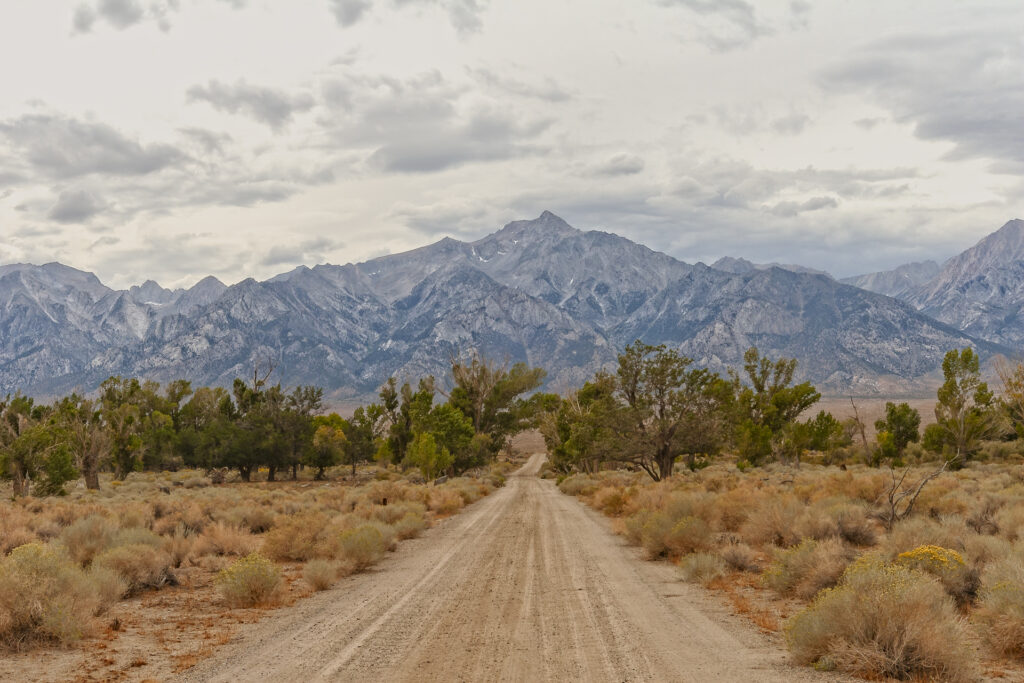
Mount Williamson’s name carries the quiet weight of the Sierra’s early exploration era. When you look up at that massive granite wall rising above the Owens Valley, it’s easy to imagine the place being named for something dramatic—some mythic figure, a local legend, maybe even a descriptive nod to its hulking shape. But instead, the mountain honors Lt. Robert Stockton Williamson, a surveyor whose work helped map potential railroad routes across the West during the mid‑1800s. His name ended up attached to one of the most imposing peaks in California not because he climbed it, but because he charted the land around it at a time when the region was still largely unmapped by the U.S. government.
Williamson wasn’t a mountaineer in the romantic sense—no dramatic summit stories, no tales of near‑death on icy ridges. Instead, he was a methodical observer, someone who walked the valleys and passes below the crest, taking notes, sketching terrain, and trying to make sense of the Sierra’s rugged geography. The mountain that now bears his name rises just north of Mount Whitney, but unlike Whitney, it doesn’t draw the same crowds or attention. It’s remote, harder to reach, and feels more like a place you earn rather than visit.
The first recorded ascent didn’t happen until 1884, decades after Williamson’s surveys. By then, the Sierra Club was beginning to take shape, and climbers were slowly pushing deeper into the range. But the name had already stuck, appearing on maps and in early geographic reports. It’s one of those Sierra place names that reminds you how much of the range’s identity was shaped not by the people who climbed its peaks, but by those who mapped them from below.
Today, when you stand in the Owens Valley and look west, Mount Williamson dominates the skyline—an 8,000‑foot wall of granite rising in just a few miles. It’s a mountain that feels ancient and immovable, and yet its name comes from a moment in history when the West was still being measured, cataloged, and understood. The Sierra Nevada is full of peaks named for explorers, surveyors, scientists, and early climbers, but Williamson’s story is a reminder that sometimes the people who leave the biggest marks on the landscape are the ones who simply took the time to draw it carefully.